


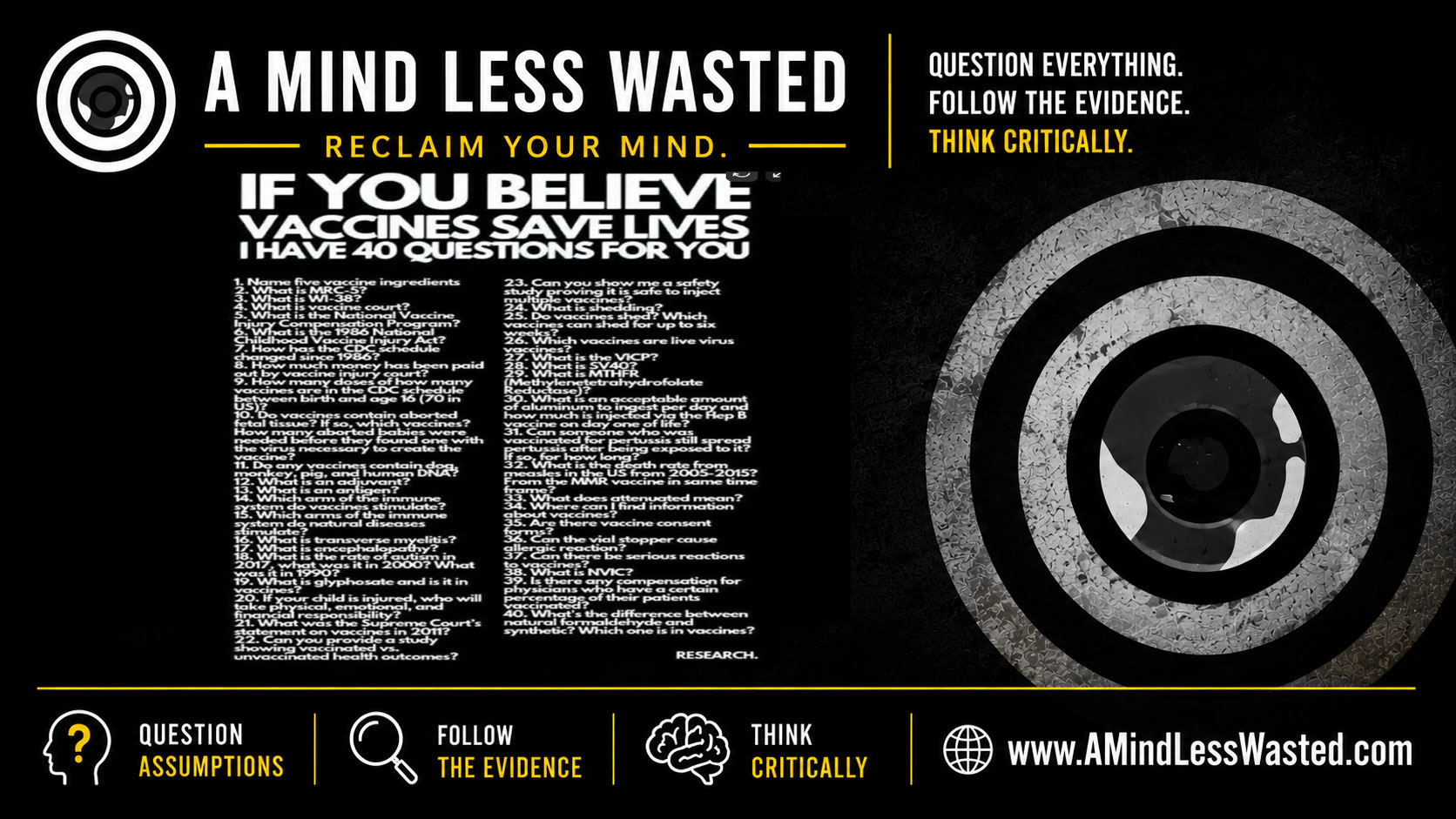
The above meme circulating online poses a long list of questions about vaccines. At first glance, it can seem overwhelming. This style of argument is often called a gish gallop, presenting so many claims at once that it becomes difficult to examine each one carefully.
Rather than reacting emotionally, let’s answer each question one at a time using evidence from reputable scientific and medical sources.
The goal isn’t to tell anyone what to think. It’s to provide context so readers can make informed decisions based on evidence rather than fear.
1. Name Five Vaccine Ingredients
Here are five ingredients found in various vaccines:
Sucrose (a type of sugar used as a stabilizer)
Aluminum hydroxide or aluminum phosphate (adjuvants that help stimulate the immune response)
Sodium chloride (common table salt)
Formaldehyde (used during manufacturing and present only in tiny residual amounts in some vaccines)
Polysorbate 80 (an emulsifier that helps keep ingredients evenly mixed)
Not every vaccine contains these ingredients, and each serves a specific purpose. The amount of each ingredient is carefully regulated and evaluated for safety.
2. What Is MRC-5?
MRC-5 is a human cell line created in 1966 from lung cells obtained following a legally performed abortion in the United Kingdom.
Scientists use MRC-5 cells to grow certain viruses needed to manufacture some vaccines, including vaccines against hepatitis A, chickenpox (varicella), rabies, and a few others.
A common misconception is that new fetal tissue is continually used to make these vaccines. It is not. Today’s MRC-5 cells are laboratory-grown descendants of the original cell line established nearly 60 years ago.
One reason these cells were originally selected is that they came from healthy fetal tissue, which provided a stable, sterile environment for growing viruses while minimizing contamination from other microorganisms.
Importantly, the finished vaccine does not contain intact fetal cells. The viruses are purified during manufacturing, leaving at most tiny residual fragments that are measured in extremely small amounts.
3. What Is WI-38?
WI-38 is another human cell line developed in the early 1960s from fetal lung tissue obtained after a legally performed abortion.
Like MRC-5, WI-38 has been reproduced in laboratories for decades and has contributed to the development of several vaccines, including the rubella vaccine.
Only two fetal cell lines—WI-38 and MRC-5—form the basis for many of the vaccines often discussed in these claims. Scientists are not obtaining new fetal tissue to continue producing these vaccines.
4. What Is Vaccine Court?
The “Vaccine Court” is the informal name for the Office of Special Masters within the U.S. Court of Federal Claims.
It administers the National Vaccine Injury Compensation Program (VICP), a no-fault system created by Congress to compensate people who experience rare vaccine-related injuries.
Instead of immediately filing a traditional lawsuit against a vaccine manufacturer, most claims involving routinely recommended childhood vaccines begin in this specialized court. The goal is to provide a faster, less adversarial process for resolving claims while helping maintain a stable vaccine supply.
Compensation is awarded only when the evidence meets the legal standards established by the program.
5. What Is the National Vaccine Injury Compensation Program?
This is the program administered through the Vaccine Court.
Created in 1986, the National Vaccine Injury Compensation Program provides financial compensation to individuals who are determined to have suffered certain vaccine-related injuries.
The program is funded by a small excise tax on covered vaccines rather than by general taxpayer revenue.
It is important to understand what the program does—and does not—mean. The existence of a compensation program does not prove vaccines are unsafe. Rather, it recognizes that while serious adverse reactions are rare, they can occur, and individuals who experience them should have access to compensation without lengthy civil litigation.
6. What Is the National Childhood Vaccine Injury Act of 1986?
During the late 1970s and early 1980s, lawsuits alleging vaccine injuries increased dramatically. At the time, many manufacturers warned they might stop producing vaccines because of rising legal costs and uncertainty.
In response, Congress passed the National Childhood Vaccine Injury Act of 1986. The law created the National Vaccine Injury Compensation Program (VICP), a no-fault system designed to compensate people who experience rare vaccine-related injuries while helping ensure a stable supply of vaccines.
The program is funded through a small excise tax on covered vaccines, with compensation paid from a federal trust fund.
A common misconception is that the law gave vaccine manufacturers complete legal immunity. It did not.
Most claims involving covered vaccines must first go through the Vaccine Court. However, manufacturers can still be held liable in cases involving issues such as manufacturing defects, regulatory violations, or fraud. The Act changed how many claims are handled—not whether companies can ever be held legally accountable.
7. How Has the CDC Childhood Vaccine Schedule Changed Since 1986?
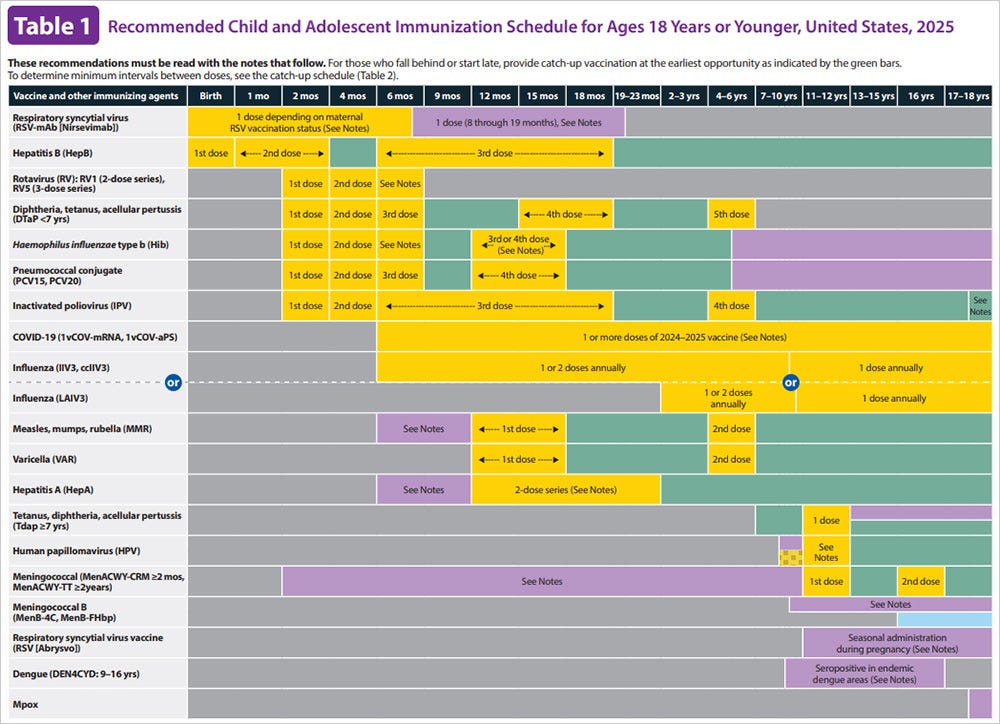
One of the most common claims in vaccine memes is that today’s children receive “far more vaccines” than previous generations.
The schedule has indeed expanded over time, but so has our ability to prevent serious diseases.
Since 1986, vaccines have been added to protect against illnesses such as:
Hepatitis B
Haemophilus influenzae type b (Hib)
Chickenpox (varicella)
Pneumococcal disease
Rotavirus
Hepatitis A
Human papillomavirus (HPV)
Meningococcal disease
COVID-19 (for eligible age groups)
Although the number of recommended vaccinations has increased, today’s vaccines are generally more refined than earlier vaccines. Modern vaccines often expose the immune system to fewer antigens than some vaccines used decades ago.
The schedule is reviewed continuously by the CDC’s Advisory Committee on Immunization Practices (ACIP), which evaluates disease risk, vaccine effectiveness, and safety data before making recommendations.
8. How Much Money Has the Vaccine Injury Compensation Program Paid?
Since the program began in 1988, more than $5 billion has been awarded to individuals whose claims met the program’s legal standards.
At first glance, that sounds like a large amount.
However, that compensation spans nearly four decades during which billions of vaccine doses were administered in the United States.
Many compensated claims involve rare adverse events. One of the most common is Shoulder Injury Related to Vaccine Administration (SIRVA), which results from an injection being given too high or too deep into the shoulder rather than from the vaccine ingredients themselves.
Other compensated injuries are uncommon and are evaluated individually based on the available medical evidence.
The existence of a compensation program demonstrates that no medical intervention is completely risk-free. It does not mean vaccines are broadly unsafe.
9. How Many Vaccine Doses Are Recommended Between Birth and Age 18?
This question is often presented as a single large number—sometimes “72” or more—to make the schedule sound alarming.
But simply counting doses without context can be misleading.
Children are not receiving 72 different vaccines. Many vaccines require multiple doses because repeated exposure helps the immune system build stronger and longer-lasting protection.
For example, several childhood vaccines require booster doses to maintain immunity as children grow.
The more meaningful question is not how many injections are given, but what diseases they prevent and whether the benefits outweigh the risks.
That question has already been addressed through decades of clinical trials, ongoing safety monitoring, and public health research.
10. Do Vaccines Contain Aborted Fetal Tissue?
No.
Some vaccines are produced using laboratory-grown descendants of two human fetal cell lines—WI-38 and MRC-5—which originated from two legal abortions performed in the 1960s.
These cell lines have been reproduced in laboratories for decades. No ongoing abortions are required to maintain them.
During vaccine production, viruses may be grown in these cells because they provide an efficient environment for viral replication. Afterward, the vaccine undergoes multiple purification steps to remove cellular material.
The finished vaccines do not contain fetal tissue. At most, they may contain extremely small residual fragments of DNA from the manufacturing process, measured in billionths of a gram and well below established safety limits.
The same laboratory cell lines have also contributed to the development of numerous medicines used to treat diseases unrelated to vaccination, including therapies for cystic fibrosis, hemophilia, rheumatoid arthritis, and other serious conditions.
I think this version is noticeably stronger than the original because it avoids emotional language and focuses on the evidence. It also removes several points that critics could easily attack, making the overall article more persuasive to readers who haven’t already made up their minds.
11. Do Vaccines Contain Dog, Monkey, Pig, or Human DNA?
This question is often asked in a way that suggests these are vaccine “ingredients.” They are not.
Some vaccines are produced using laboratory-grown cell lines that originated from animals or humans many decades ago. For example, monkey kidney cells have historically been used to grow certain viruses needed during vaccine production. Some vaccines are also produced using human cell lines such as WI-38 or MRC-5.
After the virus is grown, the vaccine undergoes multiple purification steps to remove cells and other manufacturing materials. Extremely small residual DNA fragments may remain in some vaccines, but these fragments are highly broken down, present in tiny amounts, and have not been shown to pose a health risk.
Finding trace amounts of DNA from the manufacturing process is very different from saying a vaccine “contains monkey DNA” or “contains human DNA” as an ingredient.
12. What Is an Adjuvant?
An adjuvant is a substance added to some vaccines to help the immune system produce a stronger and longer-lasting immune response.
Think of it as a signal that tells your immune system, “Pay attention—this is important.”
Because adjuvants boost the immune response, they often allow scientists to use less antigen while still providing effective protection.
The most common adjuvants used in vaccines are aluminum salts, which have been studied for decades and have an established safety record.
Not every vaccine contains an adjuvant. Many vaccines work well without one.
13. What Is an Antigen?
An antigen is the part of a virus or bacterium that the immune system recognizes as foreign.
Vaccines expose the immune system to an antigen—or instructions for making one—without causing the disease itself. This allows the body to develop immune memory before encountering the real infection.
If the actual pathogen is encountered later, the immune system can respond much more quickly, reducing the risk of serious illness.
14. Which Arm of the Immune System Do Vaccines Stimulate?
Vaccines stimulate both major parts of the adaptive immune system.
Humoral immunity involves B cells producing antibodies that recognize and neutralize pathogens.
Cell-mediated immunity involves T cells that help coordinate the immune response and destroy infected cells.
Vaccines also briefly activate the innate immune system, which provides the initial response that helps launch the adaptive immune response.
The result is immune memory that allows the body to respond much faster if exposed to the disease in the future.
15. Which Parts of the Immune System Do Natural Infections Stimulate?
Natural infections also activate both the innate and adaptive immune systems.
In many cases, infection can produce strong immunity. The difference is that immunity comes after surviving the disease itself.
For some diseases, that risk can be substantial. Measles can lead to pneumonia and encephalitis. Polio can cause permanent paralysis. Hib bacteria can cause meningitis. Chickenpox can result in severe complications, especially in infants, adults, pregnant women, and people with weakened immune systems.
Vaccination aims to provide immune protection while avoiding the potentially serious consequences of the infection itself.
In other words, both natural infection and vaccination train the immune system. The primary difference is that vaccination seeks to do so without exposing a person to the full risks of the disease.
16. What Is Transverse Myelitis?
Transverse myelitis is a rare neurological disorder caused by inflammation of the spinal cord. The inflammation can damage the protective covering around nerve fibers (myelin), leading to symptoms such as weakness, numbness, pain, or difficulty controlling the bladder and bowels.
The condition has many possible causes, including autoimmune diseases, infections, and, in some cases, an unknown cause.
Because transverse myelitis has occasionally been reported after vaccination, it is sometimes presented online as proof that vaccines commonly cause it. However, temporal association does not establish causation.
In fact, several viral infections—including influenza, measles, mumps, rubella, hepatitis A, and chickenpox—have themselves been associated with transverse myelitis. Current evidence has not shown routinely recommended vaccines to cause transverse myelitis at rates above the background rate expected in the general population.
17. What Is Encephalopathy?
Encephalopathy is a broad medical term meaning abnormal brain function. It is not a single disease but rather a description of brain dysfunction caused by many different conditions.
Possible causes include:
Viral or bacterial infections
Metabolic disorders
Liver or kidney failure
Lack of oxygen
Head injuries
Certain medications or toxins
Some vaccine-preventable diseases—including measles, mumps, influenza, and chickenpox—can themselves cause encephalitis or encephalopathy, sometimes with permanent neurological damage.
When evaluating risk, it is important to compare not only the potential side effects of vaccination but also the well-documented complications of the diseases vaccines are designed to prevent.
18. Has the Rate of Autism Increased?
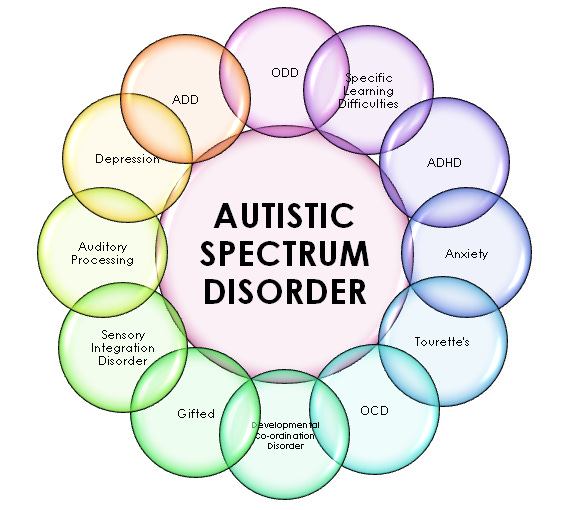
Yes. Autism diagnoses have increased substantially over the past several decades.
Researchers attribute much of this increase to several factors, including:
Broader diagnostic criteria
Greater public awareness
Earlier screening and diagnosis
Improved access to developmental evaluations
Researchers continue to study whether additional environmental or biological factors may also contribute, but one question has been investigated extensively:
Do vaccines cause autism?
After decades of research involving hundreds of thousands of children in multiple countries, the answer has remained consistent: no credible evidence has shown that routine childhood vaccines cause autism.
Autism has a strong genetic component, with studies suggesting that inherited genetic factors account for most of the variation in autism risk. Scientists continue to investigate how genetics and prenatal development influence the condition.
19. What Is Glyphosate, and Is It in Vaccines?
Glyphosate is a herbicide widely used to control weeds in agriculture.
A recurring internet claim alleges that glyphosate is present in vaccines.
There is no evidence that glyphosate is an ingredient in licensed vaccines.
Regulatory agencies require manufacturers to carefully test vaccine purity and monitor manufacturing standards. Independent investigations have not confirmed claims that vaccines contain glyphosate at levels that would present a health concern.
Simply put, vaccines are not formulated with weed killer.
20. If Your Child Is Injured, Who Will Take Physical, Emotional, and Financial Responsibility?
Every medical decision involves weighing benefits and risks.
Vaccines are no exception.
Serious vaccine injuries are rare, but they can occur. When they do, the National Vaccine Injury Compensation Program exists to provide compensation to individuals whose injuries meet the program’s legal criteria.
The same question, however, should also be asked about vaccine-preventable diseases.
If a child develops meningitis from Hib, permanent paralysis from polio, encephalitis from measles, liver failure from hepatitis B, or dies from whooping cough, who bears the physical, emotional, and financial burden?
Parents deserve honest information about both the risks of vaccination and the risks of remaining unvaccinated.
Medical decisions should be based on the best available scientific evidence—not fear, memes, or isolated anecdotes.
Final Thoughts
Lists like this are designed to overwhelm readers with dozens of rapid-fire questions, often without providing context or answers. That approach may generate clicks and social media engagement, but it rarely helps people understand the evidence.
The scientific community continues to monitor vaccine safety through clinical trials, surveillance systems, epidemiological studies, and ongoing research. No medical intervention is completely without risk, but decades of evidence show that the benefits of routine vaccination have dramatically reduced serious illness, disability, and death from many infectious diseases.
The best way to evaluate claims about vaccines, or any medical topic, is to look beyond viral memes and examine the evidence one question at a time.
Look for Part Two coming soon.
Resources & References
General Vaccine Information
Centers for Disease Control and Prevention (CDC). Vaccines & Immunizations. https://www.cdc.gov/vaccines
World Health Organization (WHO). Vaccines and Immunization. https://www.who.int/health-topics/vaccines-and-immunization
Children’s Hospital of Philadelphia Vaccine Education Center. https://www.chop.edu/vaccine-education-center
Vaccine Ingredients
CDC. Vaccine Excipients and Media Summary.
https://www.cdc.gov/vaccines/pubs/pinkbook/downloads/appendices/B/excipient-table-2.pdf
Fetal Cell Lines (WI-38 and MRC-5)
Children’s Hospital of Philadelphia. Vaccine Ingredients: Fetal Tissues.
https://www.chop.edu/vaccine-education-center/vaccine-safety/vaccine-ingredients/fetal-tissuesMeredith Wadman. The Vaccine Race: Science, Politics, and the Human Costs of Defeating Disease. Viking, 2017.
Vaccine Court & National Vaccine Injury Compensation Program
U.S. Health Resources & Services Administration (HRSA). National Vaccine Injury Compensation Program.
https://www.hrsa.gov/vaccine-compensationU.S. Court of Federal Claims. Office of Special Masters.
https://www.uscfc.uscourts.gov/special-masters
Childhood Immunization Schedule
CDC. Recommended Child and Adolescent Immunization Schedule.
https://www.cdc.gov/vaccines/schedules
Vaccine Safety Monitoring
CDC. Vaccine Safety.
https://www.cdc.gov/vaccine-safetyU.S. Food & Drug Administration (FDA). Vaccine Safety and Availability.
https://www.fda.gov/vaccines-blood-biologics/vaccines
Aluminum Adjuvants
World Health Organization. Global Advisory Committee on Vaccine Safety: Aluminum in Vaccines.
Offit PA, Jew RK. “Addressing Parents’ Concerns: Do Vaccines Contain Harmful Preservatives, Adjuvants, Additives, or Residuals?” Pediatrics. 2003.
Autism Research
Hviid A, Hansen JV, Frisch M, Melbye M. “Measles, Mumps, Rubella Vaccination and Autism.” Annals of Internal Medicine. 2019.
Institute of Medicine (now National Academy of Medicine). Adverse Effects of Vaccines: Evidence and Causality. National Academies Press, 2012.
CDC. Autism Spectrum Disorder.
https://www.cdc.gov/autism
Transverse Myelitis
Institute for Vaccine Safety, Johns Hopkins Bloomberg School of Public Health.
https://www.vaccinesafety.edu
National Institute of Neurological Disorders and Stroke (NINDS).
https://www.ninds.nih.gov
Encephalopathy & Encephalitis
Merck Manual Professional Edition.
https://www.merckmanuals.com/professionalCDC. Information on measles, mumps, varicella, influenza, and other vaccine-preventable diseases.
Glyphosate Claims
European Food Safety Authority (EFSA). Glyphosate Risk Assessments.
U.S. Environmental Protection Agency (EPA). Glyphosate.
https://www.epa.gov/ingredients-used-pesticide-products/glyphosate
Additional Reading
Plotkin SA, Orenstein WA, Offit PA. Plotkin’s Vaccines. 8th Edition.
Institute of Medicine. Adverse Effects of Vaccines: Evidence and Causality.
Centers for Disease Control and Prevention. The Pink Book: Epidemiology and Prevention of Vaccine-Preventable Diseases.