


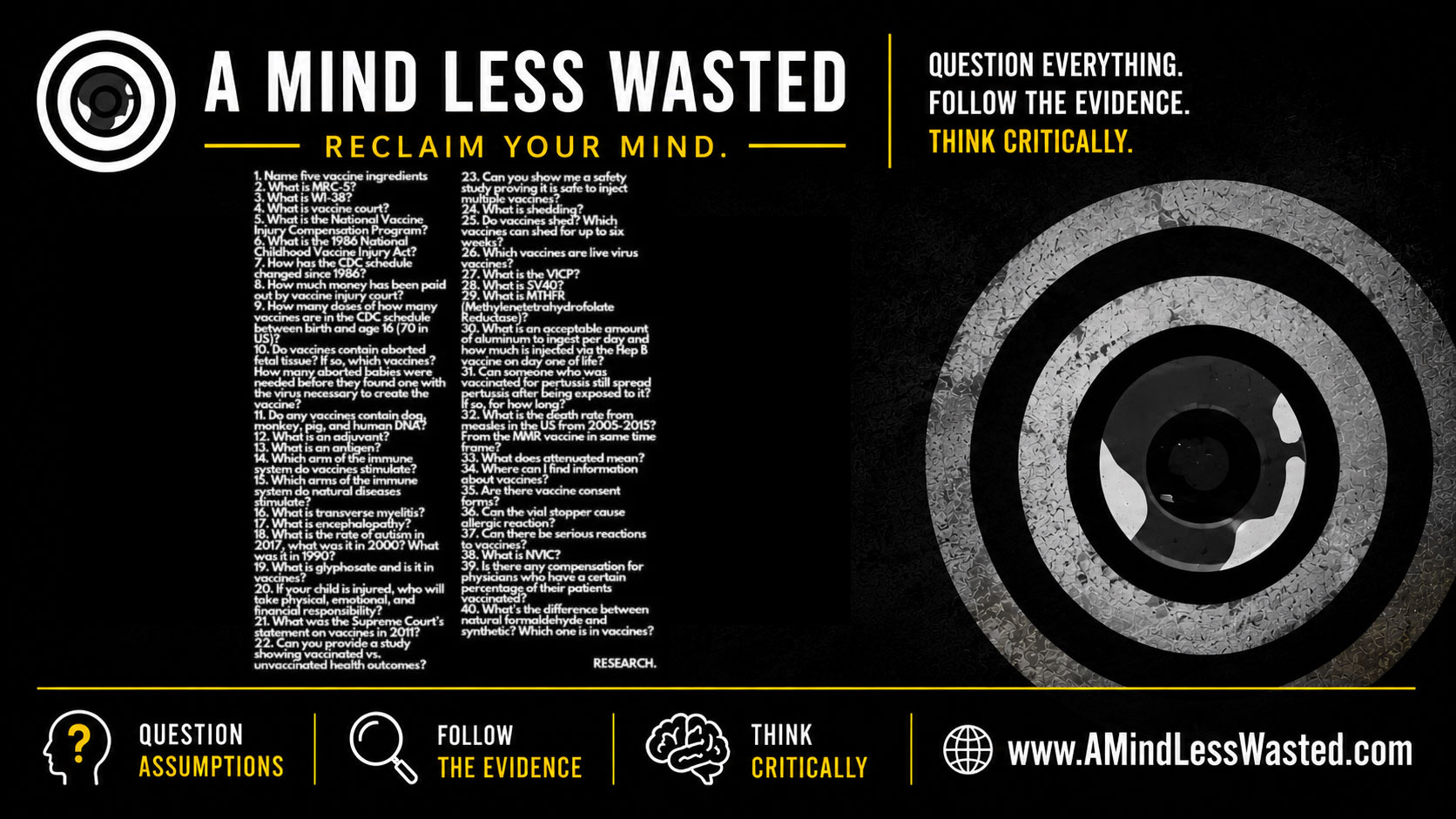
The above meme circulating online poses a long list of questions about vaccines. At first glance, it can seem overwhelming. This style of argument is often called a gish gallop, presenting so many claims at once that it becomes difficult to examine each one carefully.
Rather than reacting emotionally, let’s answer each question one at a time using evidence from reputable scientific and medical sources.
The goal isn’t to tell anyone what to think. It’s to provide context so readers can make informed decisions based on evidence rather than fear.
We addressed the first 20 in our article
40 Answers on the safety of vaccines - part 1 of 2
These next 20 questions contain several of the biggest anti-vaccine talking points, including:
Supreme Court statements
Vaccinated vs. unvaccinated studies
Vaccine shedding
SV40
MTHFR
SIDS
VAERS/NVIC
Formaldehyde
Physician liability
We’ll answer each one individually, just like Part 1.
21. What Did the Supreme Court Say About Vaccines in 2011?
21. What Did the Supreme Court Say About Vaccines in 2011?
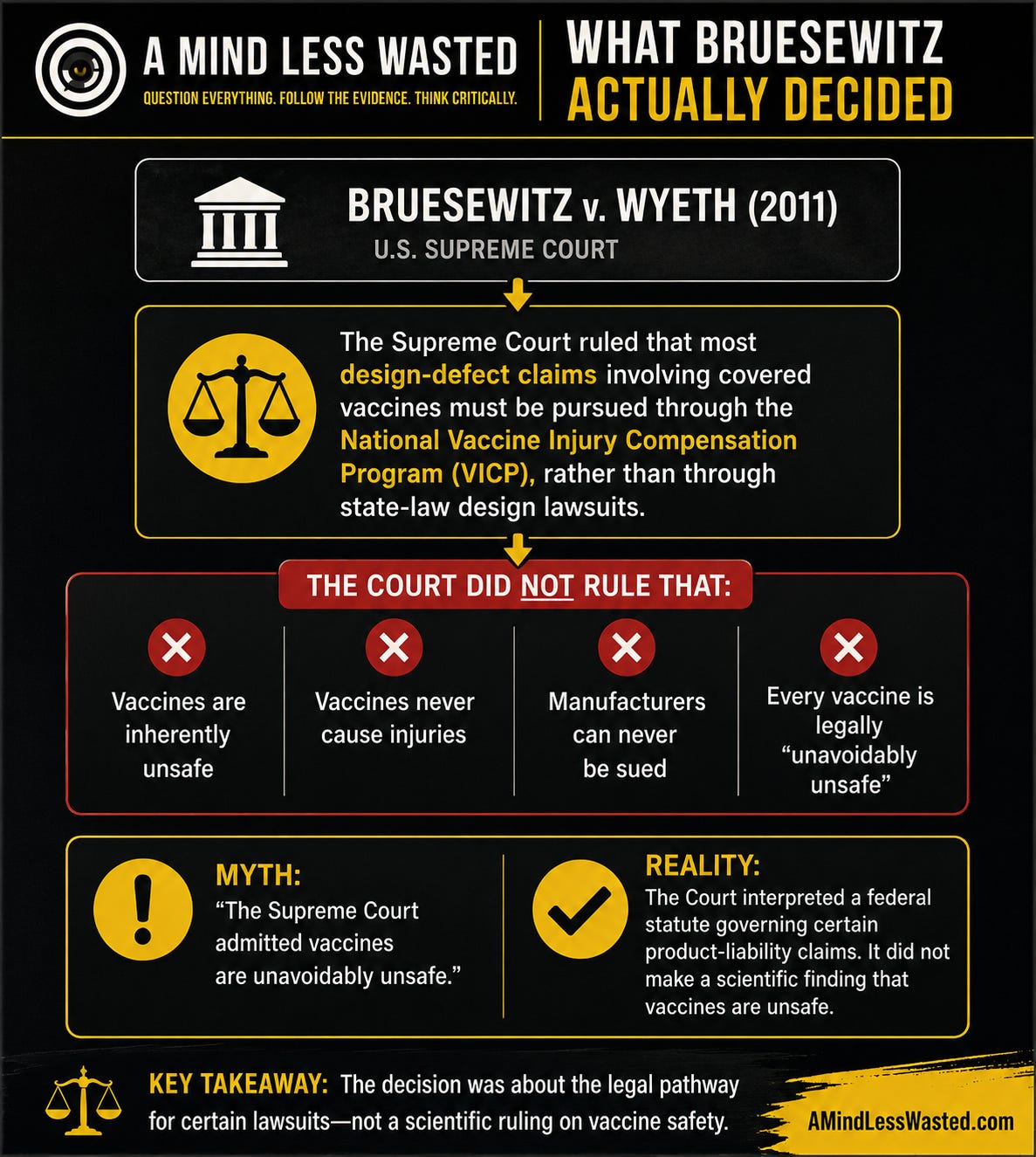
This refers to Bruesewitz v. Wyeth LLC, decided by the U.S. Supreme Court in 2011.
The case involved parents who alleged that a DTP vaccine injured their child and argued that the manufacturer should be liable because a safer vaccine design was possible.
In a 6–2 decision, the Court ruled that most design-defect claims involving covered vaccines must proceed through the National Vaccine Injury Compensation Program (VICP) rather than state-law design-defect lawsuits.
The Court did not rule that:
vaccines are completely safe;
vaccines never cause injuries;
vaccine manufacturers can never be sued; or
every vaccine is legally “unavoidably unsafe.”
The phrase “unavoidably unsafe” appears in the Court’s legal discussion of product liability—not as a scientific finding about vaccines.
In plain English: The decision established the legal process for most vaccine design-defect claims. It did not declare that vaccines are unsafe.
22. Can You Provide a Study Showing Vaccinated vs. Unvaccinated Health Outcomes?
22. Can You Provide a Study Showing Vaccinated vs. Unvaccinated Health Outcomes?
This question is often asked as though no such studies exist. In reality, many have compared vaccinated and unvaccinated populations.
What critics usually seek is a randomized controlled trial (RCT) in which one group of children receives all recommended vaccines while another receives none. Such a study would be unethical because it would deliberately leave children unprotected against diseases known to cause serious illness and death.
Instead, researchers rely on large observational studies using medical records, national registries, and long-term follow-up. While these studies have limitations, they are the accepted method when randomized trials are unethical or impractical.
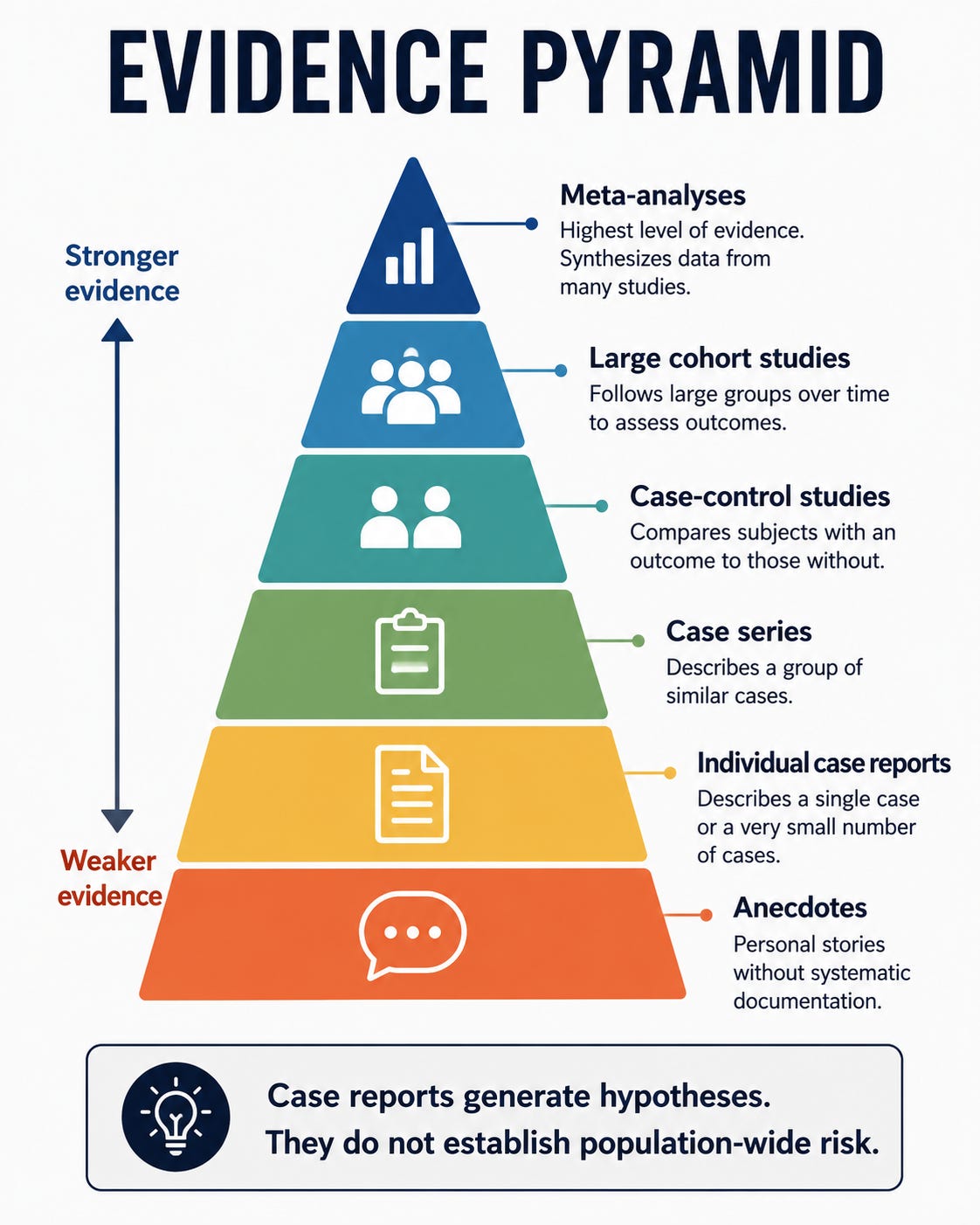
For example, a 2019 Danish study of more than 650,000 children found no increased risk of autism after MMR vaccination, and numerous studies from other countries have reached similar conclusions.
Researchers have also compared hospitalization rates and vaccine-preventable illnesses, consistently finding that vaccinated children are far less likely to develop diseases such as measles, pertussis, and Hib.
Bottom line: Vaccinated-versus-unvaccinated studies do exist. What does not exist—and almost certainly never will—is a randomized trial intentionally withholding recommended vaccines from children solely for research purposes.
23. Can You Show Me a Safety Study Proving It Is Safe to Inject Multiple Vaccines?
23. Can You Show Me a Safety Study Proving It Is Safe to Inject Multiple Vaccines?
Before vaccines are licensed, they undergo clinical trials involving thousands of participants. Researchers evaluate not only whether each vaccine is effective, but also whether it is safe when administered according to the recommended schedule, including alongside other routinely given vaccines.
Safety monitoring continues after approval through systems such as VAERS, the Vaccine Safety Datalink (VSD), the Clinical Immunization Safety Assessment (CISA) Project, and similar programs worldwide.
A common concern is that receiving several vaccines during one visit “overwhelms” the immune system. Current evidence does not support that claim. From birth, infants encounter thousands of bacteria, viruses, and environmental antigens every day, while today’s vaccines contain far fewer antigens than vaccines did decades ago.
Recommended vaccine schedules are based on clinical evidence—not random combinations—and vaccines are evaluated for use together before recommendations are made.
No medical intervention is completely risk-free. The relevant question is whether the benefits outweigh the risks. Based on decades of clinical trials and ongoing safety monitoring involving millions of children, health authorities conclude that following the recommended immunization schedule provides substantially greater benefits than risks.
24. What Is Shedding?
Shedding refers to the release of a virus or bacteria from an infected person, allowing it to potentially spread to others.
People naturally shed viruses when they are infected with illnesses such as influenza, COVID-19, chickenpox, or measles.
The term can also apply to certain live attenuated vaccines, which contain a weakened form of a virus that can replicate only to a limited extent in the body. In some cases, a vaccinated person may briefly shed the weakened vaccine virus.
It is important to distinguish shedding from transmission. Detecting a weakened virus does not necessarily mean it spreads to others or causes disease.
Most vaccines used today are not live vaccines and therefore cannot shed at all.
25. Do Vaccines Shed? Which Vaccines Can Shed for Up to Six Weeks?
Most vaccines cannot shed because they do not contain live viruses.
Shedding is primarily associated with a small number of live attenuated vaccines, including:
Rotavirus (virus may be shed in stool for a limited time)
Varicella (chickenpox) (rarely, if a vaccine-related rash develops)
Oral polio vaccine (OPV) (no longer used in the United States)
Intranasal influenza vaccine (FluMist®) (transmission to others is extremely uncommon)
Claims that vaccines routinely shed for six weeks are misleading because shedding varies by vaccine. For example, rotavirus vaccine virus may be detectable in stool for several days or, in some infants, several weeks after vaccination, which is why good hand hygiene is recommended after diaper changes.
For healthy people, transmission of vaccine viruses is extremely rare, although additional precautions may be recommended for individuals with severely weakened immune systems.
Importantly, mRNA, inactivated, protein-based, and toxoid vaccines cannot shed because they contain no live replicating virus.
26. Which Vaccines Are Live Virus Vaccines?
Only a relatively small number of vaccines used in the United States contain live attenuated (weakened) viruses.
Examples include:
MMR (measles, mumps, and rubella)
Varicella (chickenpox)
Rotavirus
Intranasal influenza vaccine (FluMist®)
Yellow fever vaccine (primarily for travelers)
Oral typhoid vaccine
Dengue vaccine (for specific eligible populations)
Historically, the oral polio vaccine (OPV) was also a live vaccine, but it was replaced in the United States in 2000 with the inactivated polio vaccine (IPV), which cannot replicate or shed.
The majority of routinely recommended vaccines, including Hepatitis B, DTaP, IPV, Hib, pneumococcal, meningococcal, HPV, hepatitis A, shingles (Shingrix®), RSV, and COVID-19 vaccines, are not live vaccines.
Understanding the difference is important because many claims circulating on social media incorrectly imply that all vaccines behave like live viruses. In reality, only a minority do, and each is evaluated individually for safety, effectiveness, and appropriate use.
27. What Is the Vaccine Injury Compensation Program (VICP)?
The National Vaccine Injury Compensation Program (VICP) is a federal no-fault compensation program established by the National Childhood Vaccine Injury Act of 1986.
The program was created in response to concerns that rising lawsuits could reduce vaccine availability. Instead of requiring injured individuals to pursue lengthy civil litigation, eligible claims are first heard in the U.S. Court of Federal Claims, commonly called the Vaccine Court.
The program is funded by a small excise tax on covered vaccines—not by general taxpayer revenue.
If a petitioner can demonstrate that a vaccine caused an injury, or meets the criteria outlined in the Vaccine Injury Table, compensation may include:
Medical expenses
Lost wages
Pain and suffering (subject to statutory limits)
Death benefits in qualifying cases
The existence of the VICP recognizes an important reality: although serious vaccine injuries are rare, they can occur. The program was designed to provide compensation while maintaining a stable vaccine supply.
28. What Is SV40?
SV40 (Simian Virus 40) is a virus originally found in monkeys.
Between 1955 and 1963, some batches of early polio vaccine were inadvertently contaminated with SV40 because the virus was present in monkey kidney cells used during vaccine production.
Once the contamination was discovered, manufacturers changed their production methods and screening procedures to eliminate the problem.
Because SV40 can cause tumors in certain laboratory animals, researchers investigated whether people who received contaminated vaccines had higher rates of cancer.
After decades of study, large epidemiological investigations have not found convincing evidence that exposure to SV40-contaminated polio vaccines increased cancer rates in humans.
Today, vaccine manufacturing uses much stricter testing, purification procedures, and regulatory oversight than existed in the 1950s.
The SV40 story is actually an example of how vaccine safety monitoring identified a manufacturing problem, corrected it, and continued studying possible long-term effects.
29. What Is MTHFR?
MTHFR stands for methylenetetrahydrofolate reductase, an enzyme involved in processing folate (vitamin B9) and regulating homocysteine levels.
Many people have heard of “the MTHFR gene mutation,” but the reality is more complicated.
Common MTHFR variants, such as C677T and A1298C, are extremely common. Depending on ancestry, 30–50% of people carry at least one copy of one of these variants.
Most people with these variants are perfectly healthy.
Some internet claims suggest that MTHFR variants make vaccines dangerous or prevent the body from detoxifying vaccine ingredients.
To date, there is no strong scientific evidence that routine childhood vaccines are unsafe because someone carries a common MTHFR variant.
Researchers continue to study genetics and vaccine responses, but current vaccination recommendations do not change based solely on having a common MTHFR polymorphism.
30. What Is an Acceptable Amount of Aluminum to Inject? How Much Aluminum Is in the Hepatitis B Vaccine Given at Birth?
30. What Is an Acceptable Amount of Aluminum to Inject? How Much Aluminum Is in the Hepatitis B Vaccine Given at Birth?
This question often sounds alarming because it focuses on a single number without context.
Aluminum salts have been used as vaccine adjuvants for more than 70 years to strengthen the immune response. The birth dose of the Hepatitis B vaccine contains approximately 0.25 milligrams (250 micrograms) of aluminum.
Evaluating aluminum safety requires considering both the amount and how the body processes it. Injected and ingested aluminum are handled differently, so researchers rely on toxicological studies rather than simple comparisons with food.
Aluminum is naturally present in food, drinking water, breast milk, infant formula, and many medications. Extensive research has found that the small amounts used in vaccines fall well within established safety margins.
The important scientific question is not whether aluminum is present, but whether the amount used has been shown to cause harm. Based on decades of research and safety monitoring, routine vaccine doses have not been shown to produce aluminum toxicity in healthy infants.
31. Can Someone Vaccinated Against Pertussis Still Spread It?
Yes.
No vaccine is 100% effective, and immunity against pertussis (whooping cough) decreases over time.
Someone who has been vaccinated can still become infected and, if infected, may transmit the bacteria to others.
However, vaccination significantly reduces the risk of becoming infected in the first place and generally results in milder illness if infection does occur.
This is especially important because pertussis can be life-threatening for infants who are too young to be fully vaccinated.
The goal of the pertussis vaccine is not to eliminate every infection. It is to greatly reduce severe disease, hospitalization, and death while decreasing overall transmission within the community.
Like many vaccines, its effectiveness is measured by risk reduction, not absolute prevention.
These next five claims illustrate an important point: many vaccine memes begin with a real scientific term, such as SV40, MTHFR, or aluminum, but then remove the historical or scientific context that allows readers to understand what those terms actually mean. Looking beyond the headline often tells a very different story.
32. What Was the Death Rate from Measles in the United States from 2005–2015? What Was the Death Rate from the MMR Vaccine During the Same Period?
This question compares two numbers that don’t measure the same thing.
By 2005, measles had been declared eliminated in the United States, largely because of decades of widespread vaccination. With very few cases occurring during 2005–2015, there were also very few measles-related deaths.
Imported cases still occur, however, and outbreaks can spread quickly in communities with lower vaccination rates. That is why public health experts emphasize maintaining high vaccination coverage.
A more meaningful comparison is to look at the years before the measles vaccine became available.
Before 1963, the United States experienced an estimated 3–4 million measles infections each year, resulting in approximately:
48,000 hospitalizations
400–500 deaths annually
1,000 cases of encephalitis (brain inflammation)
Comparing today’s low measles death rate to alleged MMR vaccine deaths ignores the reason measles became so rare in the first place.
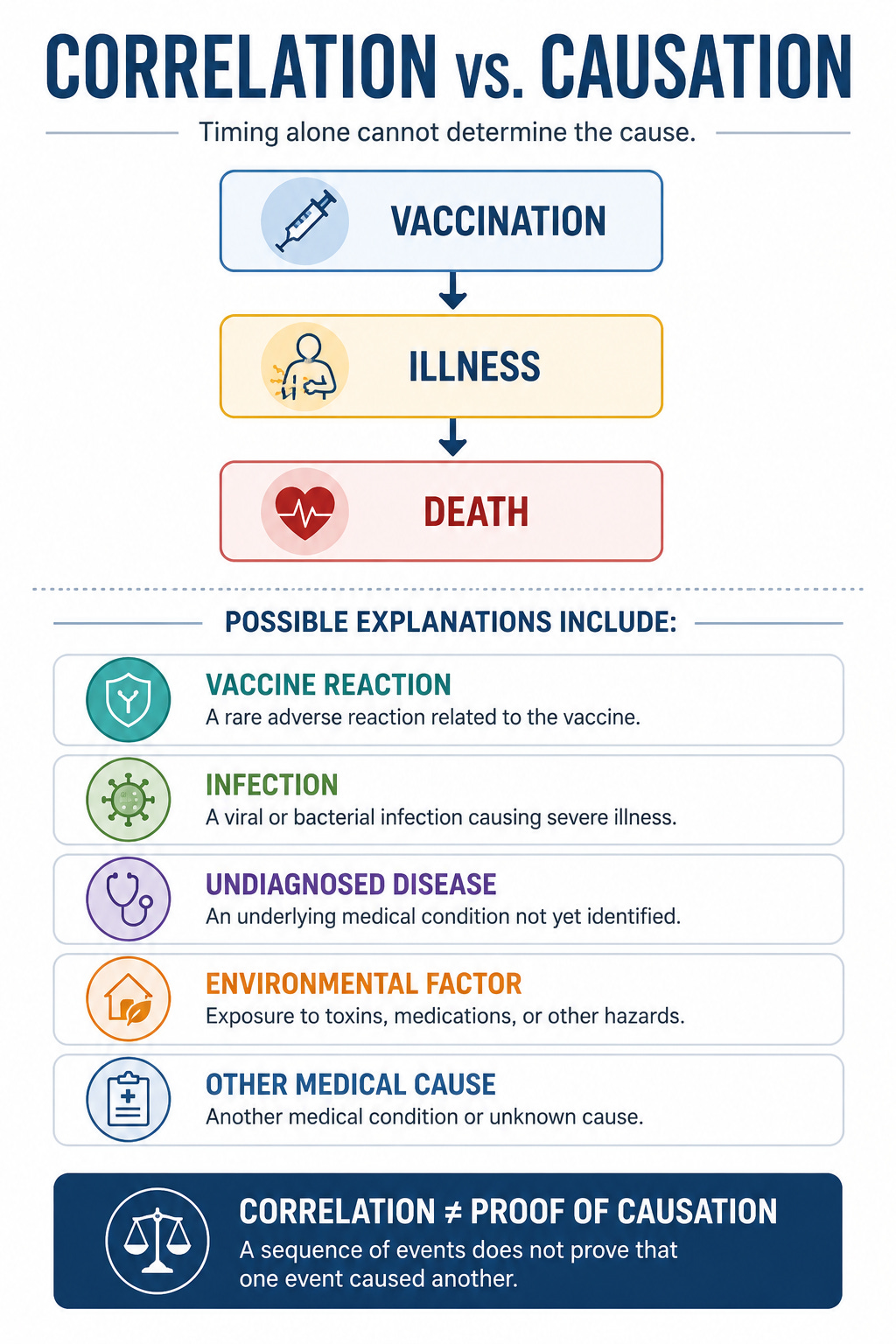
Today, deaths following MMR vaccination are extraordinarily rare. While serious adverse events can occur with any vaccine, decades of research have found that the risks associated with the vaccine are far lower than the risks posed by measles infection itself.
When evaluating vaccine safety, it is important to compare vaccination not with today’s low disease rates, but with what happened before vaccines dramatically reduced those diseases.
33. What Does “Attenuated” Mean?
An attenuated vaccine contains a live virus or bacterium that has been weakened so that it stimulates the immune system without causing the full disease in healthy people.
Think of it as removing the pathogen’s ability to cause serious illness while allowing the immune system to “practice” recognizing it.
Examples of live attenuated vaccines include:
MMR
Varicella (chickenpox)
Rotavirus
Yellow fever
Intranasal influenza vaccine (FluMist)
Because these vaccines contain living but weakened organisms, they generally produce strong, long-lasting immunity. However, they are not recommended for everyone, particularly people with severely weakened immune systems, unless specifically advised by their physician.
Most routine vaccines today, including Hepatitis B, DTaP, IPV, Hib, HPV, pneumococcal, meningococcal, and COVID-19 vaccines, are not live attenuated vaccines.
34. Where Can I Find Reliable Information About Vaccines?
No single website or organization should be treated as infallible. The best approach is to compare information from multiple reputable sources, review the original evidence whenever possible, and distinguish peer-reviewed research from opinion or anecdote.
For readers who want to explore the evidence further, a list of government agencies, medical organizations, legal references, and peer-reviewed studies is provided in the Resources section below.
35. Are There Vaccine Consent Forms?
Yes.
In the United States, healthcare providers are required to give patients, or parents of minor children, a Vaccine Information Statement (VIS) before administering vaccines covered by the National Childhood Vaccine Injury Act.
A VIS explains:
What disease the vaccine prevents
Benefits of vaccination
Possible side effects
Who should or should not receive the vaccine
When to seek medical attention after vaccination
Many healthcare providers also document informed consent in the patient’s medical record. Some clinics require a signed consent form, while others document verbal consent according to state laws and institutional policies.
Patients have the right to ask questions and discuss concerns with their healthcare provider before deciding whether to receive a vaccine.
36. Can the DTaP Vaccine Cause Allergic Reactions?
Yes.
Like virtually any medication or biological product, vaccines can cause allergic reactions.
Most reactions to the DTaP vaccine are mild and temporary, including:
Pain or redness at the injection site
Mild swelling
Fever
Fussiness or irritability
Fatigue
Serious allergic reactions, including anaphylaxis, are extremely rare. Vaccination providers are trained to recognize and treat these reactions, which is why patients may be asked to remain for a brief observation period after vaccination.
Like all medical interventions, vaccines are not completely risk-free. The question is whether the benefits outweigh the risks. Based on decades of clinical trials and ongoing safety monitoring, public health authorities conclude that they do.
37. Can There Be Serious Reactions to Vaccines?
Yes.
Like all medications and medical procedures, vaccines can cause side effects. Most are mild and temporary, such as soreness at the injection site, fatigue, headache, or a low-grade fever.
Serious adverse reactions are rare, but they can occur. Examples include anaphylaxis and certain rare neurological conditions associated with specific vaccines.
Because of this, vaccine safety continues to be monitored after approval through systems such as VAERS, the Vaccine Safety Datalink (VSD), and the Clinical Immunization Safety Assessment (CISA) Project, which help researchers investigate whether reported events are caused by vaccination or occurred coincidentally.
No medical intervention is completely risk-free. The relevant question is whether the benefits outweigh the risks. Based on decades of evidence, health authorities conclude that routinely recommended vaccines provide substantially greater benefit than the small risk of serious adverse events.
38. What Is the National Vaccine Information Center (NVIC)?
The National Vaccine Information Center (NVIC) is a private nonprofit advocacy organization founded in 1982.
Its mission differs from that of government public health agencies. NVIC advocates for informed consent, individual choice regarding vaccination, and increased attention to vaccine safety issues.
Because NVIC is an advocacy organization, its publications should be read with that context in mind.
Similarly, information from government agencies such as the CDC, FDA, and WHO should also be evaluated critically, with attention to the scientific evidence they cite.
Rather than relying on any single organization, whether governmental or private, readers should compare multiple reputable sources, examine the quality of the evidence, and distinguish between peer-reviewed research and opinion.
The strength of an argument depends on the quality of the evidence supporting it, not simply on who is making it.
39. Do Physicians Receive Bonuses for Vaccinating Patients?
This claim is often presented as though physicians receive direct payments for every vaccine they administer.
That is misleading.
Physicians purchase vaccines, store them under strict temperature requirements, administer them, document them, and are reimbursed for both the vaccine itself and the cost of providing the service. This reimbursement covers expenses associated with running a medical practice, it is not a reward for persuading patients to vaccinate.
Some healthcare systems and insurance companies also operate quality improvement programs that measure many aspects of preventive care. These programs may include childhood immunization rates alongside dozens of other health measures such as:
Cancer screening
Blood pressure control
Diabetes management
Smoking cessation counseling
Annual wellness visits
These programs are intended to encourage preventive healthcare, not to pay physicians commissions for individual vaccines.
Patients should feel comfortable asking their physician about any financial relationships or incentives. Transparency helps build trust, but claims that doctors are secretly paid to “push vaccines” oversimplify how healthcare reimbursement actually works.
40. What’s the Difference Between Natural and Synthetic Formaldehyde? Which One Is in Vaccines?
Chemically, there is no difference between “natural” and “synthetic” formaldehyde. A formaldehyde molecule has the same structure regardless of whether it is produced naturally in the body or manufactured industrially.
In vaccine production, formaldehyde is used to help inactivate certain viruses or bacterial toxins. After purification, only tiny residual amounts remain in some finished vaccines—far less than the amount naturally present in the human body.
Formaldehyde is produced continuously during normal metabolism and is also found naturally in many foods, including fruits and vegetables.
As with many substances, the dose matters. The small residual amounts found in vaccines are well below levels considered harmful by regulatory agencies.
Simply detecting a chemical does not determine whether it poses a risk. Toxicology depends on the dose, the route of exposure, and the scientific evidence for that level of exposure.
Final Thoughts
This meme contains forty rapid-fire questions, many of which reference real scientific terms, legal cases, or medical conditions. That alone can make it appear persuasive.
However, presenting a long list of questions without providing context is a classic example of a rhetorical technique known as a gish gallop. Rather than carefully examining evidence, it overwhelms readers with more claims than can realistically be evaluated in a single sitting.
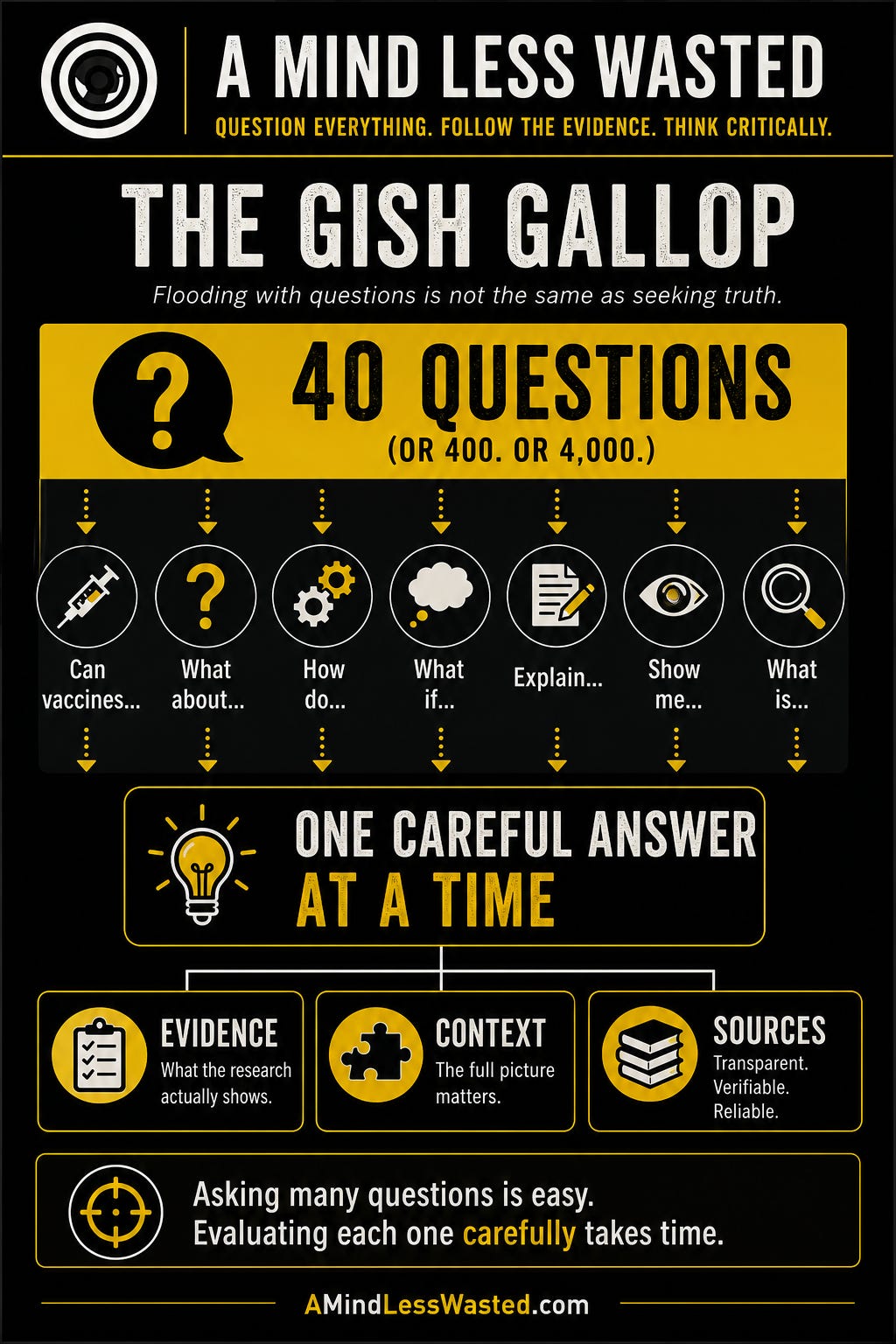
There is nothing wrong with asking difficult questions. Science advances by asking questions and testing ideas.
The problem arises when questions are used to imply conclusions without presenting the full body of evidence. Many of these claims contain a kernel of truth—a real court case, a real chemical, a real medical condition- but omit the surrounding facts necessary to understand what that information actually means.
This is how misinformation often spreads. It is usually easier to share a dramatic meme than to explain decades of scientific research, clinical trials, epidemiological studies, and ongoing safety monitoring.
Critical thinking requires more than asking questions. It requires following those questions wherever the evidence leads, even if the answers differ from what we expected.
If this series has one goal, it is to encourage readers to look beyond social media memes, examine the original evidence, compare multiple credible sources, and make informed decisions based on the best available science rather than fear or slogans.
The strongest arguments are not the ones that ask the most questions—they're the ones that withstand the most scrutiny. Curiosity starts with questions. Critical thinking requires following the evidence wherever it leads, even when the answers challenge our assumptions.
Resources
The resources below include government agencies, peer-reviewed research, medical organizations, and legal references cited or discussed throughout this article. Readers are encouraged to review the sources and evaluate the evidence for themselves.
Government & Public Health
Centers for Disease Control and Prevention (CDC) — Vaccine Safety
https://www.cdc.gov/vaccinesafety/CDC — Vaccine Information Statements (VIS)
https://www.cdc.gov/vaccines/hcp/vis/CDC — Vaccine Adverse Event Reporting System (VAERS)
https://vaers.hhs.gov/
CDC — Vaccine Safety Datalink (VSD)
https://www.cdc.gov/vaccinesafety/ensuringsafety/monitoring/vsd/CDC — Clinical Immunization Safety Assessment (CISA) Project
https://www.cdc.gov/vaccinesafety/ensuringsafety/monitoring/cisa/CDC — Sudden Infant Death Syndrome (SIDS)
https://www.cdc.gov/sids/CDC — Measles (Rubeola) https://www.cdc.gov/measles/
CDC — Rotavirus Vaccine Information
https://www.cdc.gov/rotavirus/U.S. Food and Drug Administration (FDA) — Vaccine Safety
https://www.fda.gov/vaccines-blood-biologics/vaccinesNational Institutes of Health (NIH) https://www.nih.gov/
National Institute of Child Health and Human Development (NICHD) — Safe to Sleep® https://safetosleep.nichd.nih.gov/
Medical Organizations
American Academy of Pediatrics (AAP) https://www.aap.org/
Children’s Hospital of Philadelphia (CHOP) Vaccine Education Center
https://www.chop.edu/vaccine-education-centerWorld Health Organization (WHO) — Vaccines and Immunization
https://www.who.int/health-topics/vaccines-and-immunization
Legal References
Supreme Court: Bruesewitz v. Wyeth LLC (2011)
Cornell Legal Information Institute — Bruesewitz v. Wyeth
https://www.law.cornell.edu/supct/html/09-152.ZS.htmlNational Vaccine Injury Compensation Program (HRSA)
https://www.hrsa.gov/vaccine-compensation
Peer-Reviewed Research
Hviid A, et al. Measles, Mumps, Rubella Vaccination and Autism: A Nationwide Cohort Study. Annals of Internal Medicine. 2019.
Institute of Medicine (National Academies). Adverse Effects of Vaccines: Evidence and Causality. 2012.
Plotkin SA, Orenstein WA, Offit PA. Plotkin’s Vaccines. Latest Edition.
CDC Morbidity and Mortality Weekly Report (MMWR) Vaccine Publications https://www.cdc.gov/mmwr/
Vaccine Safety Monitoring
VAERS (Vaccine Adverse Event Reporting System)
Vaccine Safety Datalink (VSD)
Clinical Immunization Safety Assessment (CISA)
FDA Biologics Safety Program
Additional Reading
National Library of Medicine (PubMed)
https://pubmed.ncbi.nlm.nih.gov/Cochrane Library https://www.cochranelibrary.com/